Spiral Trees for Landscaping Add Elegance and Structure to Your Garden Design
Spiral trees are ornamental plants pruned into a spiral shape, commonly used to enhance garden aesthetics. These trees are often evergreen varieties like boxwood, juniper, or cedar, offering year-round greenery. Their unique form provides an architectural element that draws attention and defines garden spaces.
Because spiral trees maintain their shape well, they are frequently used as focal points, in pairs flanking a doorway, or in symmetrical patterns along walkways. Their versatility and visual impact make them favorites among homeowners and professional landscapers.
Benefits of Spiral Trees in Landscape Design
Spiral trees bring several aesthetic and functional benefits to outdoor spaces. First, they offer year-round structure, maintaining visual interest even during the winter months when other plants may go dormant.
Second, they create elegant formality and symmetry in design. Whether used in pairs or alone, spiral trees can frame views, guide pathways, and anchor garden beds. They also help increase property value by enhancing curb appeal.
Spiral Juniper Tree from Home Depot
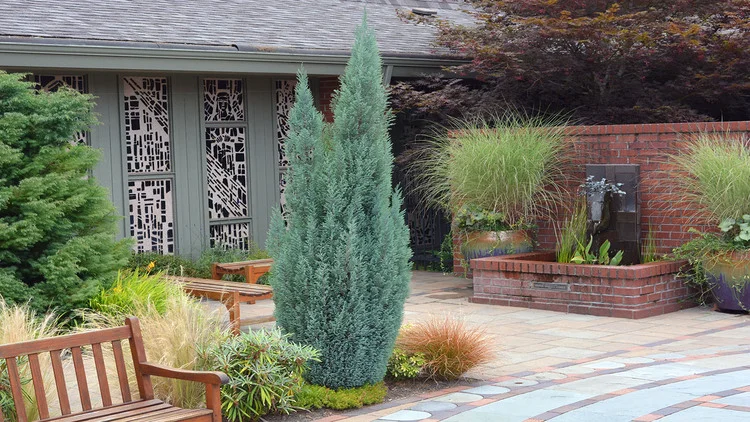
Details:
- Hardy evergreen sculpted into a spiral
- Thrives in full sun with minimal pruning
- Excellent for container planting or landscape beds
Use Case: Perfect for highlighting entryways or placing on patios in decorative pots.
Buy Spiral Juniper Tree
How Spiral Trees Improve Garden Architecture
The architectural value of spiral trees lies in their strong visual geometry. Unlike randomly shaped shrubs, these trees have a clear design that adds form and discipline to landscape layouts. Their height and shape guide the eye, drawing attention to entrances, focal points, or garden transitions.
In modern garden styles, spiral trees add elegance and clean lines. In cottage or traditional designs, they contrast softer textures while reinforcing symmetry. As living sculptures, they enhance not only garden beauty but also elevate the entire property’s design language.
Real World Examples of Spiral Landscaping Trees
Boxwood Spiral Topiary from Brighter Blooms
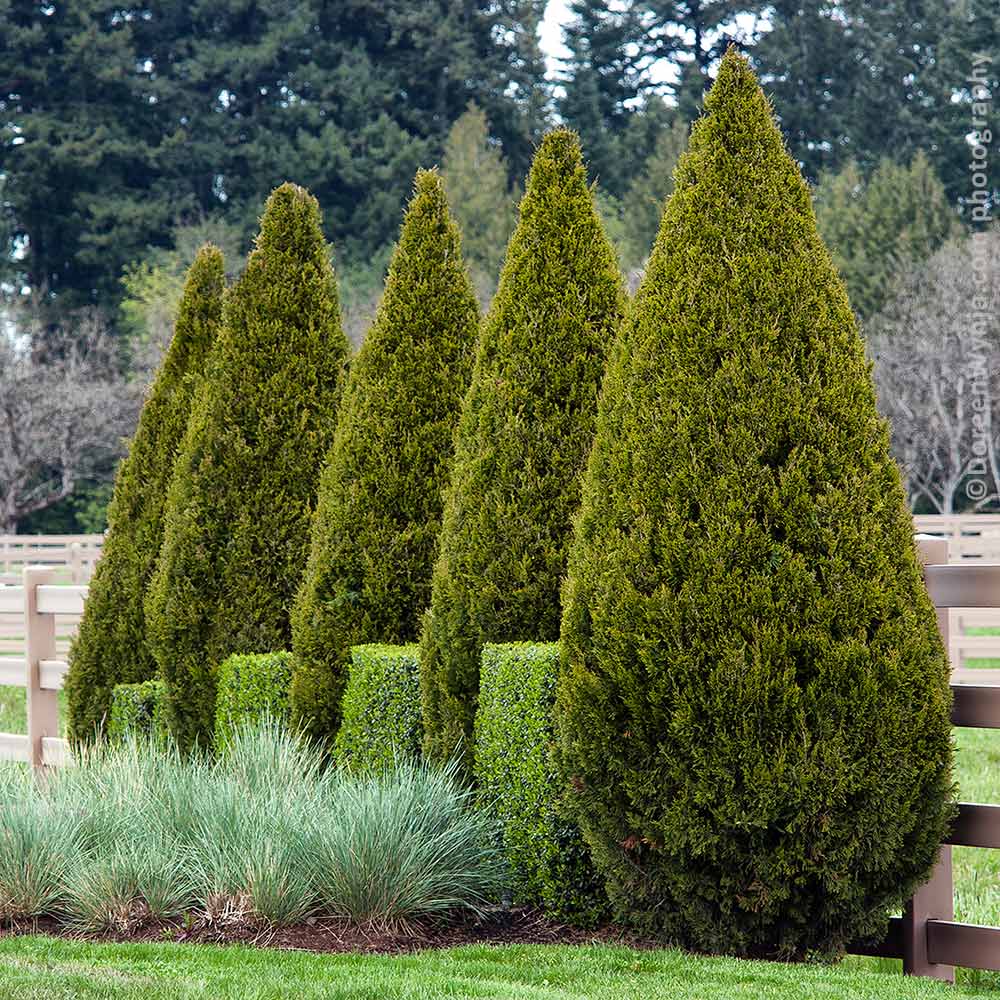
Details:
- Dense foliage is ideal for shaping
- Slow-growing and drought-tolerant
- Suitable for both ground planting and containers
Use Case: Excellent for lining pathways, balconies, or decorating poolside patios.
Get Boxwood Topiary
Monrovia Spiral Juniper at Lowe’s
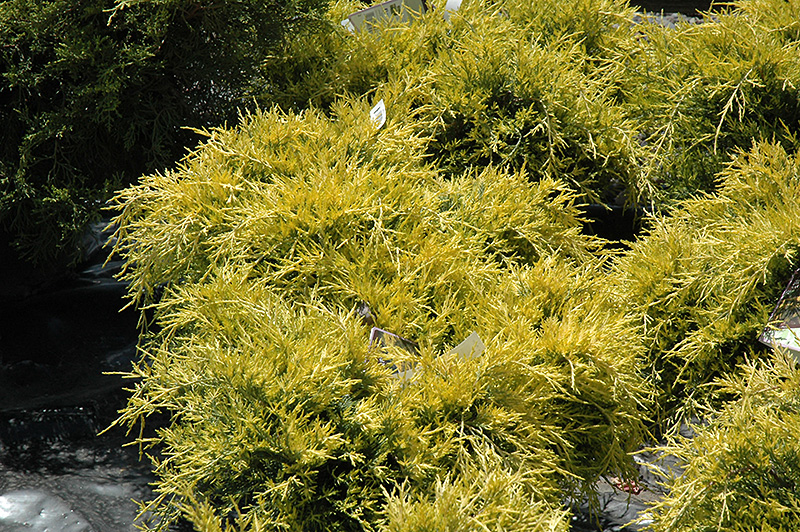
Details:
- Professionally trimmed to maintain tight spirals
- Blue-green foliage with strong upright growth
- Weather resistant and deer resistant
Use Case: Ideal for formal garden entrances and minimal-maintenance spaces.
View Monrovia Spiral Juniper
Spiral Eugenia Topiary Tree from Walmart
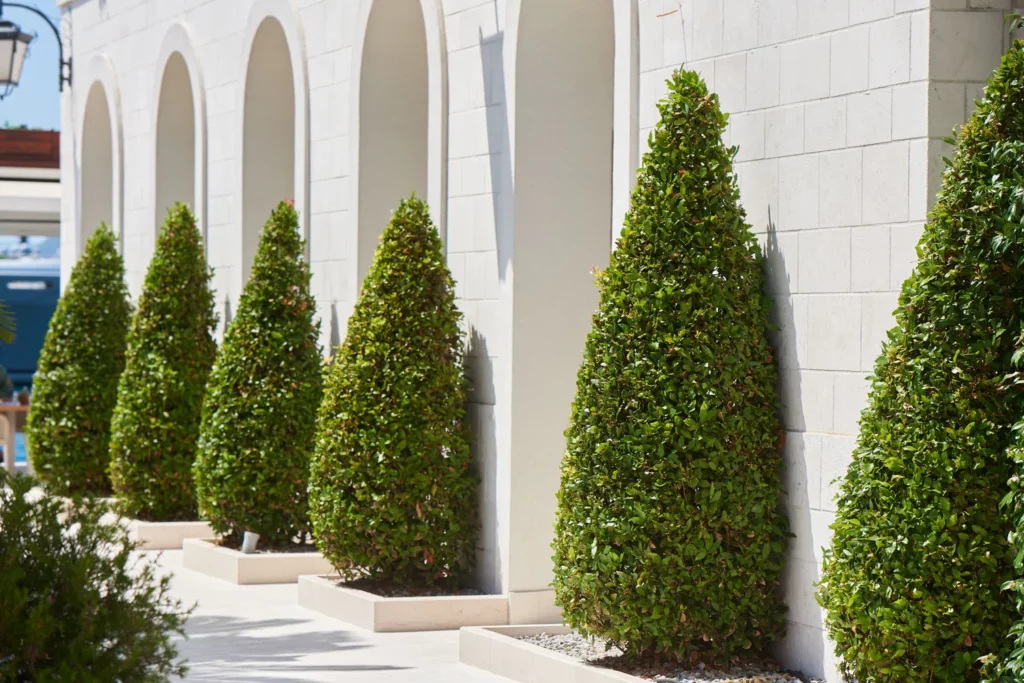
Details:
- Fast-growing evergreen for warm climates
- Great for seasonal décor or year-round design
- Compact enough for indoor/outdoor use
Use Case: Great option for southern climates or indoor atriums.
Order Eugenia Topiary
Landscaping Problems That Spiral Trees Solve
Spiral trees solve several design challenges in landscaping. They help break visual monotony in flat or sparse gardens, adding vertical interest. When placed strategically, they provide natural division between areas without needing fences or hardscapes.
They are also effective in low-space environments, such as balconies or townhome patios, where large landscape installations aren’t practical. Their compact footprint and striking form allow small areas to make a big impression.
Where to Buy Spiral Trees for Landscaping
Spiral trees are widely available at local nurseries, garden centers, and online retailers. When purchasing online, ensure the seller ships healthy, live plants and offers a guarantee. Most online sellers include size options and care instructions.
Buy from Fast Growing Trees Shop Spiral Plants on Home Depot Shop Spiral Trees at Lowe’s
FAQ
1. Do spiral trees require special pruning?
Yes, but maintenance is minimal. Prune every few months to maintain the spiral shape, using hedge shears or topiary tools.
2. Can spiral trees grow indoors?
Some varieties, like Eugenia or small boxwood, can thrive indoors if placed in bright light and watered consistently.
3. Are spiral trees pet-friendly?
Most are non-toxic, but always verify plant safety based on pet type before placement.
Conclusion
Spiral trees for landscaping are more than just greenery; they’re living sculptures that bring sophistication and harmony to any outdoor or indoor space. Their low maintenance, evergreen beauty, and versatility make them a smart addition to any design plan. Explore the options linked above to find the perfect spiral tree for your landscaping needs.