Cone Shaped Boxwood Sculpted Elegance for Formal and Modern Garden Designs
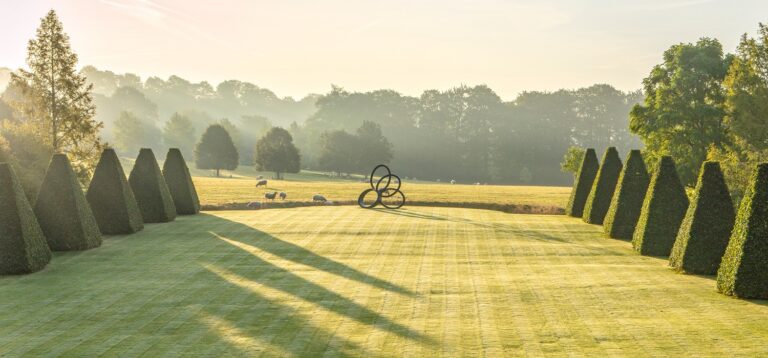
Cone shaped boxwood refers to boxwood (Buxus sempervirens or similar species) that has been trained and pruned into a classic cone form. These evergreen plants are known for their dense foliage and slow growth, making them ideal for topiary and structured landscape design.
Unlike naturalistic plantings, cone-shaped boxwood brings a sense of order and precision to garden layouts. They’re used to anchor beds, mark transitions, or add verticality and texture where needed.
Boxwood has been cultivated for centuries in formal gardens throughout Europe. The cone shape is a timeless option that works well in both traditional estate landscaping and sleek modern settings.
Benefits of Using Cone-Shaped Boxwood
One of the main benefits is year-round visual interest. Being evergreen, cone shaped boxwood holds its structure and color through all seasons, even in winter when most garden elements fade.
Additionally, their slow-growing nature reduces maintenance; only a couple of trims a year are required to maintain the conical shape. These plants are also drought-tolerant once established and can adapt to containers or open ground easily.
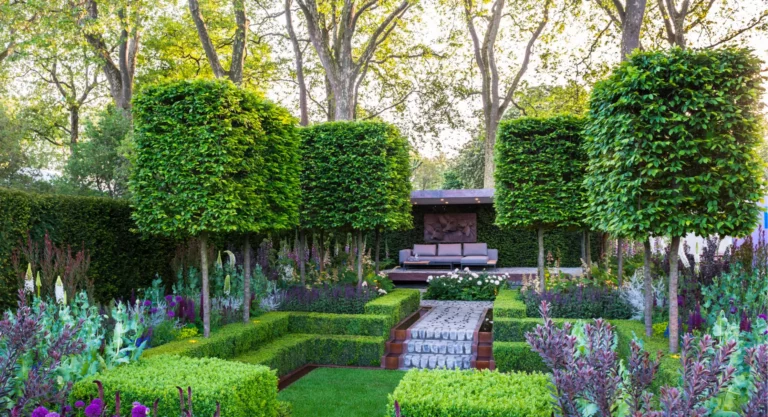
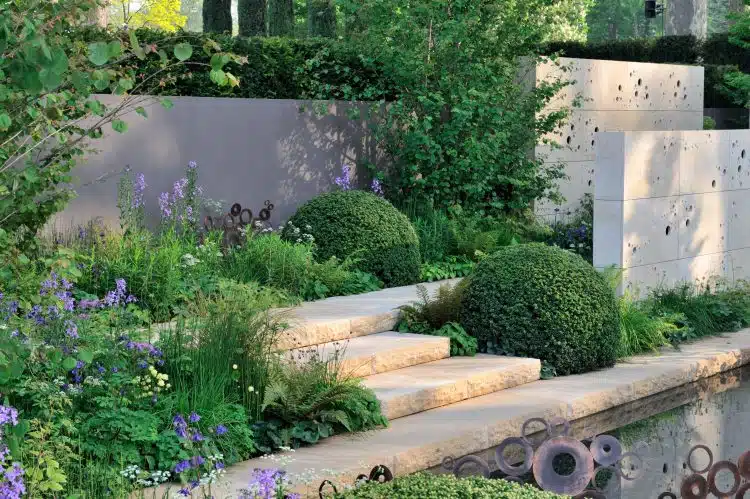
In formal gardens, they provide balance and hierarchy. In contemporary gardens, they deliver sculptural contrast to looser plantings like grasses or perennials. Their versatility makes them suitable for both minimalist and elaborate design schemes.
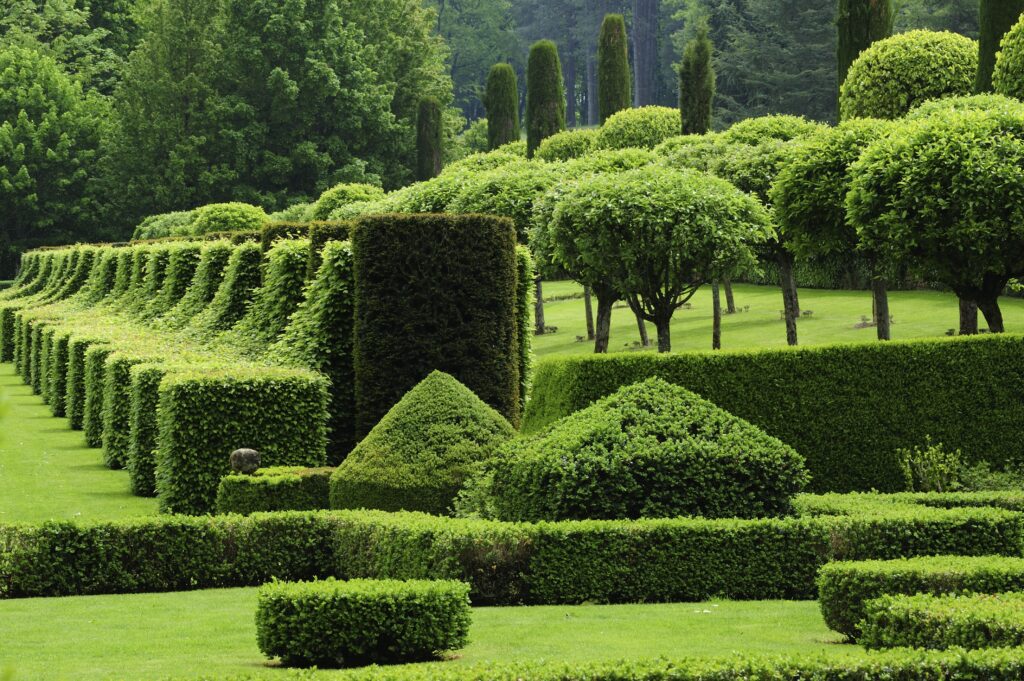
Boxwood Cone from Hopes Grove Nurseries
Details:
- Range of sizes from 30cm to 100 cm++
- Hardy and easy to maintain
- Suitable for containers or soil planting
Use Case: Use in rows along a driveway or as standalone features near garden seating.
Shop Hopes Grove
Why Cone Boxwood Remains a Landscape Staple
Cone-shaped boxwood has retained its popularity because it solves several design problems at once. It introduces evergreen vertical elements, helps define outdoor spaces, and brings a classic sculpted aesthetic to any yard.
Professional landscapers appreciate its adaptability. Boxwood cones can be placed in containers for terrace designs, sunk into flower beds for contrast, or arranged in formal allees. Their tidy growth habit and uniformity simplify planning for symmetry and repetition in garden design.
Real World Examples of Cone-Shaped Boxwood Products
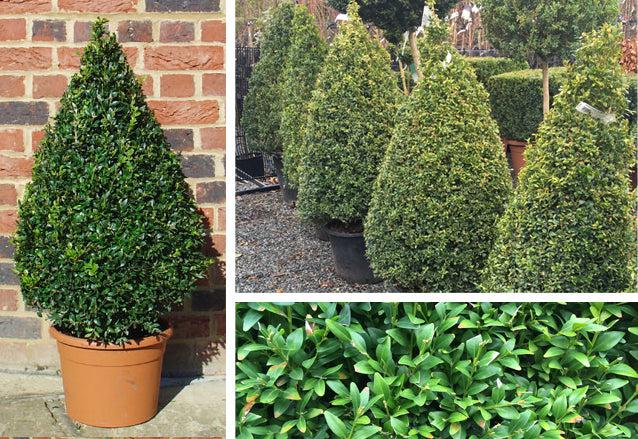
Buxus Cone Topiary from Topiary.co.uk
Details:
- Hand-trimmed by topiary experts
- Dense foliage and defined cones
- Offers instant architectural appeal
Use Case: Perfect for luxury entrances, classic walkways, or paired with gates.
Shop Topiary.co.uk
Buxus Cone from Best4Hedging
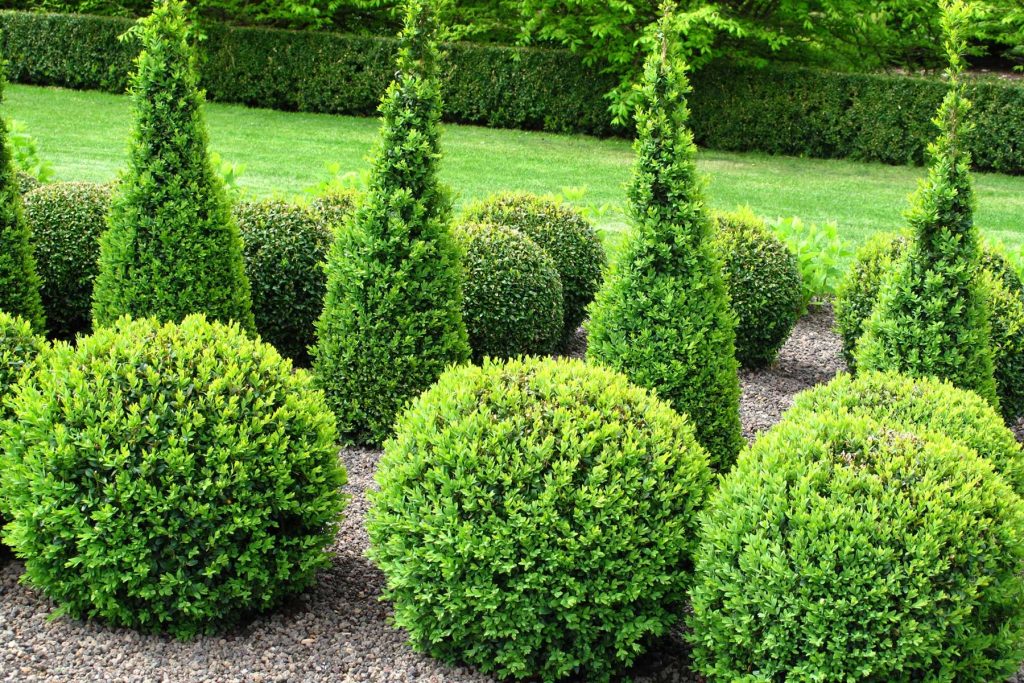
Details:
- Delivered ready-shaped and healthy
- Excellent value for landscape projects
- Can be used in formal or mixed designs
Use Case: Great for public installations or institutional landscaping.
Buy from Best4Hedging
Boxwood Cone from Jackson’s Nurseries
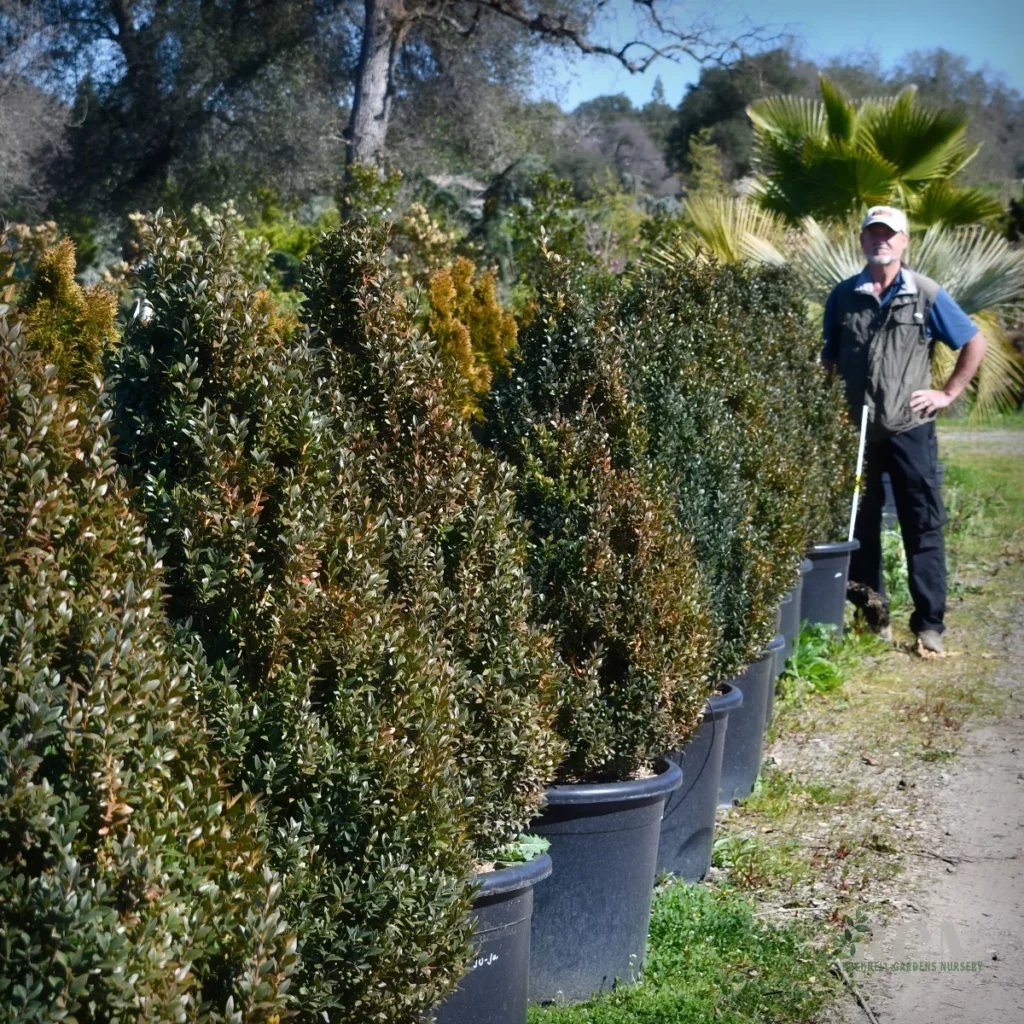
Details:
- Compact and tight growth
- Comes in a decorative pot
- Shaped for immediate garden impact
Use Case: Ideal for patios, balconies, and ornamental containers.
Buy from Jackson’s Nurseries
What Cone Shaped Boxwood Solves in the Garden
Many gardens suffer from a lack of definition or symmetry. Cone-shaped boxwood resolves these problems by serving as green pillars that organize space. They’re excellent for dividing areas, marking boundaries, or drawing attention to entrances.
If your garden feels visually flat or lacks focal points, these topiary forms add much-needed structure. In smaller spaces, even one or two cone-shaped boxwoods in strategic spots can change the whole atmosphere.
Where to Buy Cone-Shaped Boxwood
These plants are widely available at top garden retailers and nurseries. Look for healthy foliage, firm structure, and a consistent cone shape. Choose based on size needs and container versus ground installation.
Buy at Paramount Plants Order from Topiary.co.uk Shop Best4Hedging
FAQ
1. How often should cone-shaped boxwood be trimmed?
Trim your cone-shaped boxwood at least once a year in late spring, just after the first flush of growth. For a more refined and crisp appearance, especially in formal settings, consider a second trim in late summer. Regular trimming helps maintain the defined cone shape and encourages dense, healthy foliage.
2. Can cone shaped boxwood survive winter outdoors?
Yes, they are hardy evergreen plants and can withstand most winter conditions, especially when planted in the ground.
3. Do cone-shaped boxwoods grow well in containers?
Absolutely. Make sure the pot provides good drainage, and water the plant regularly during dry periods.
Conclusion
Cone-shaped boxwood is a timeless, low-maintenance solution for bringing structure, symmetry, and evergreen beauty to gardens of all styles. Whether you’re refreshing a traditional landscape or crafting a sleek modern courtyard, these plants provide lasting visual value.
Explore the curated product selections above and bring home sculptural greenery that enhances your outdoor space for years to come.